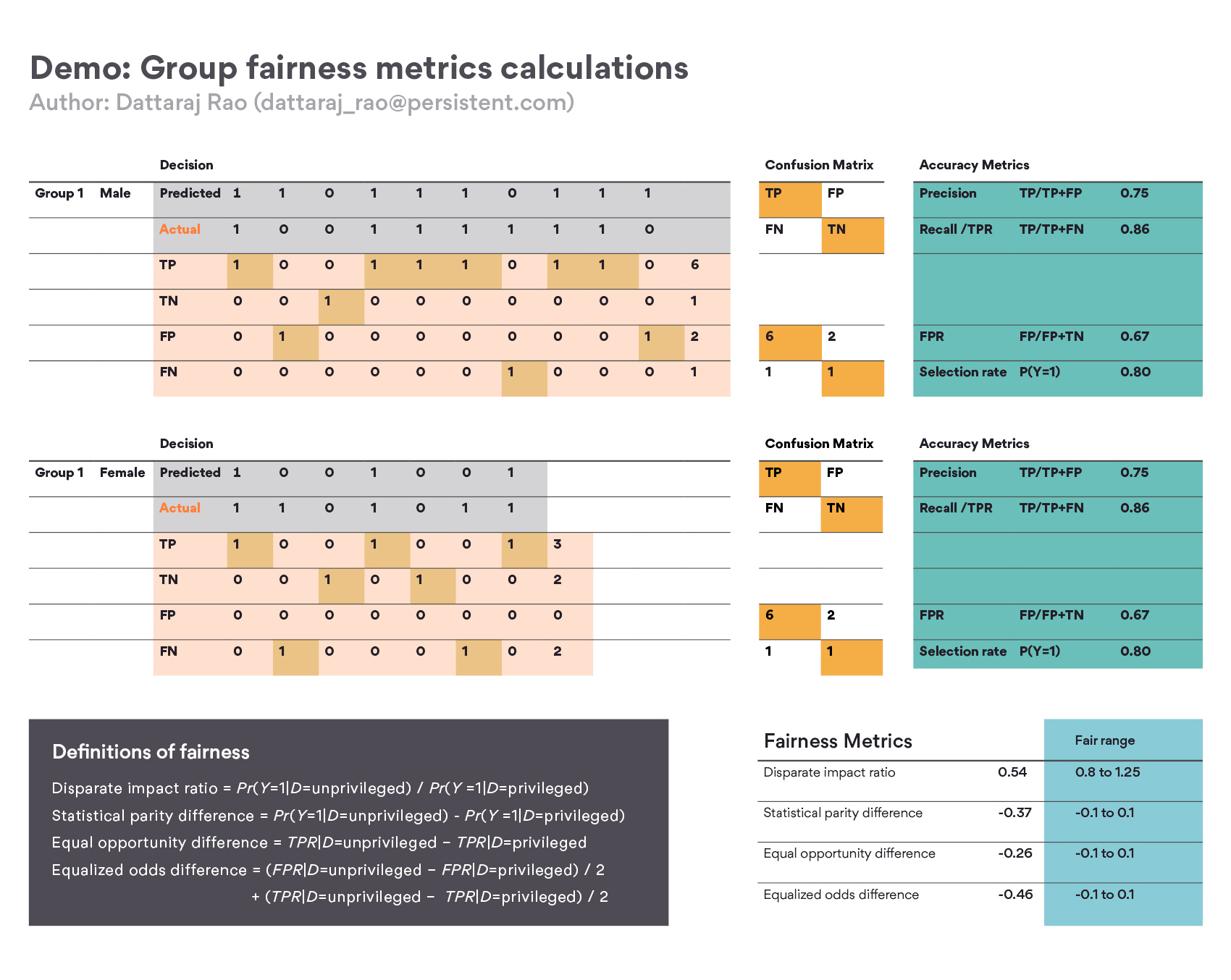
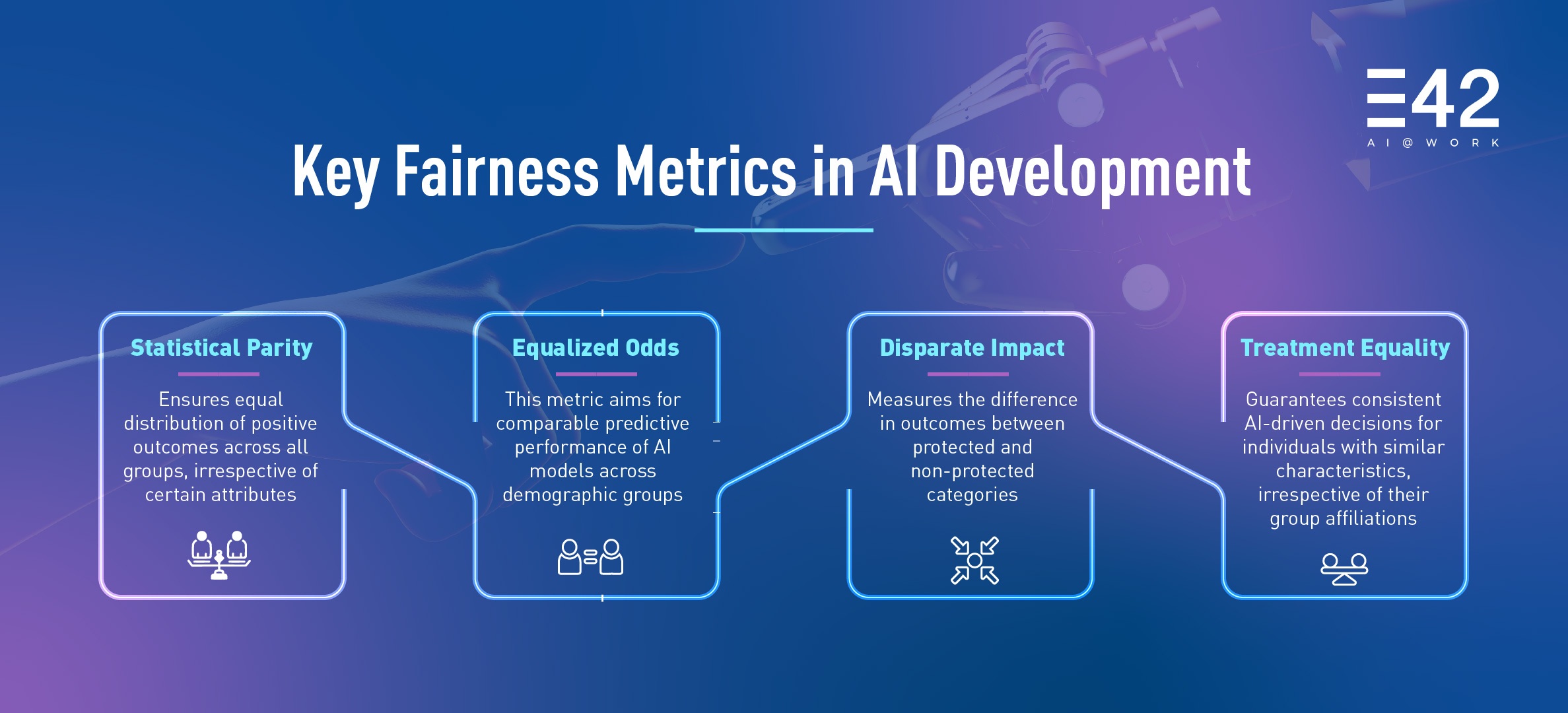
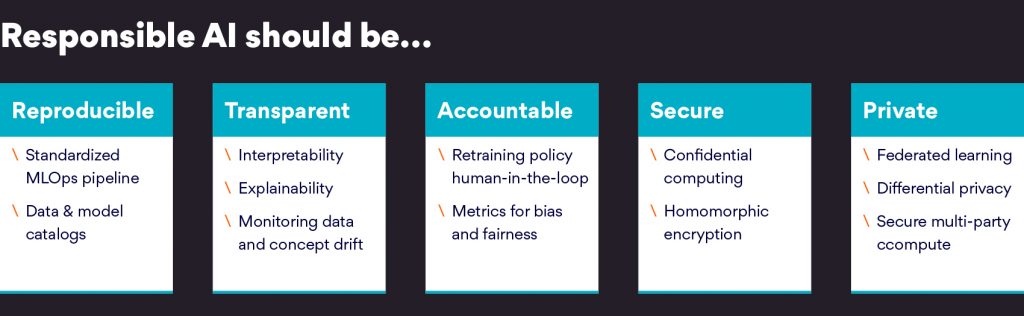
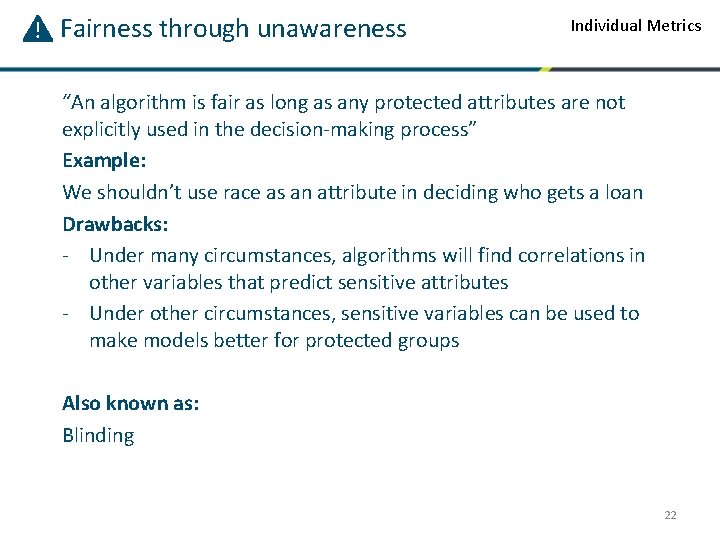
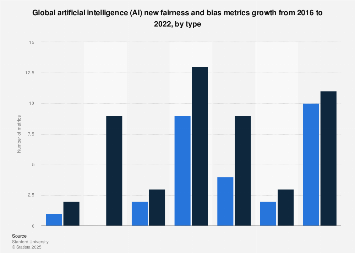
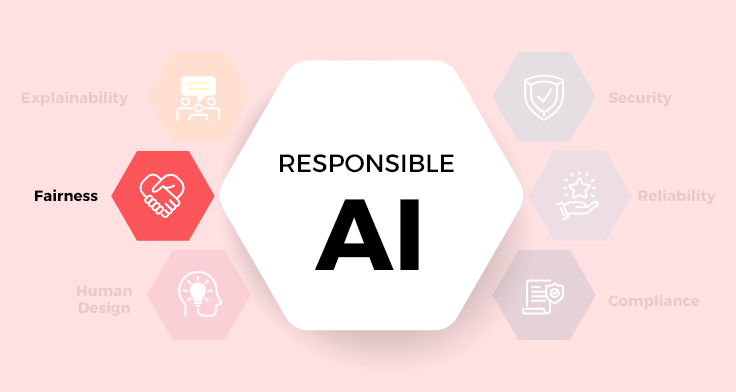
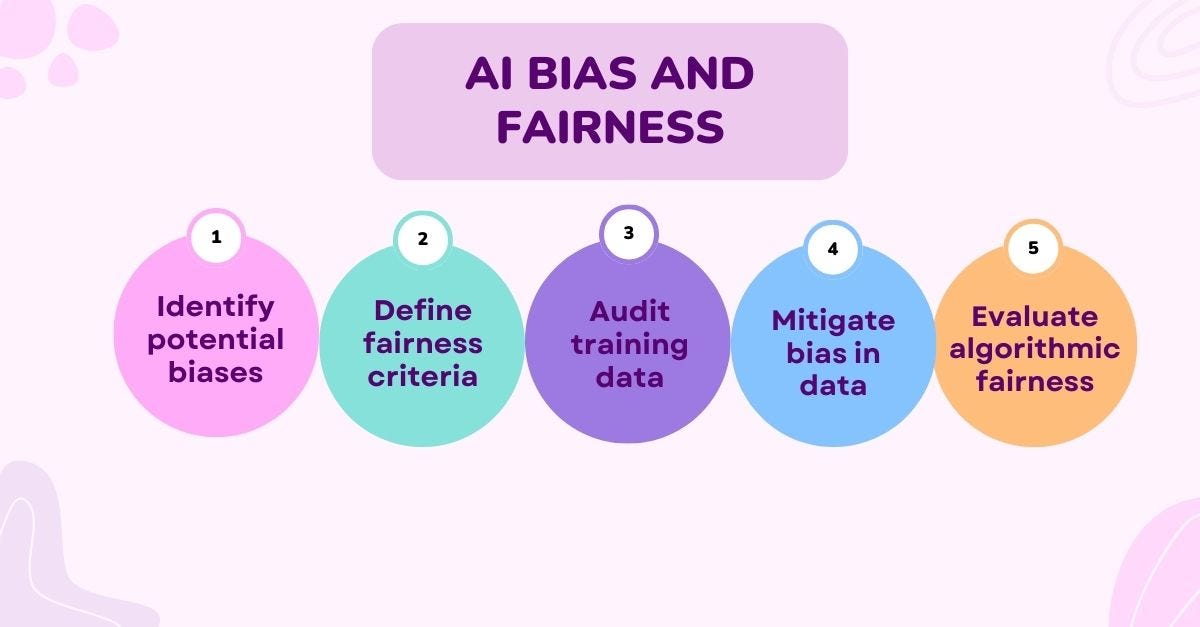
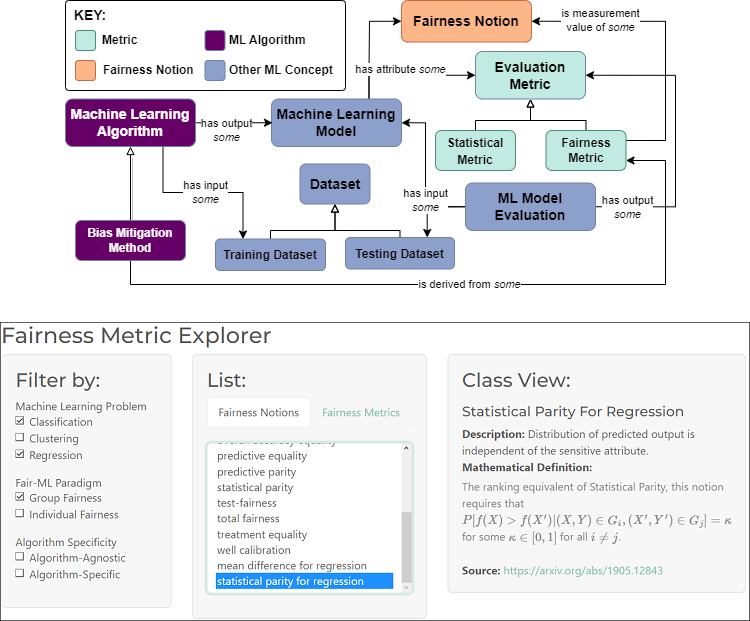
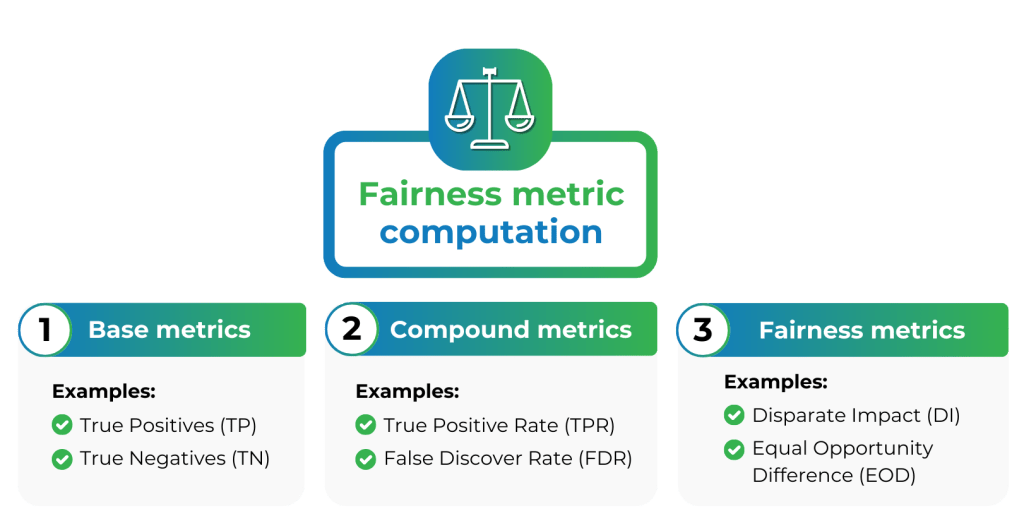
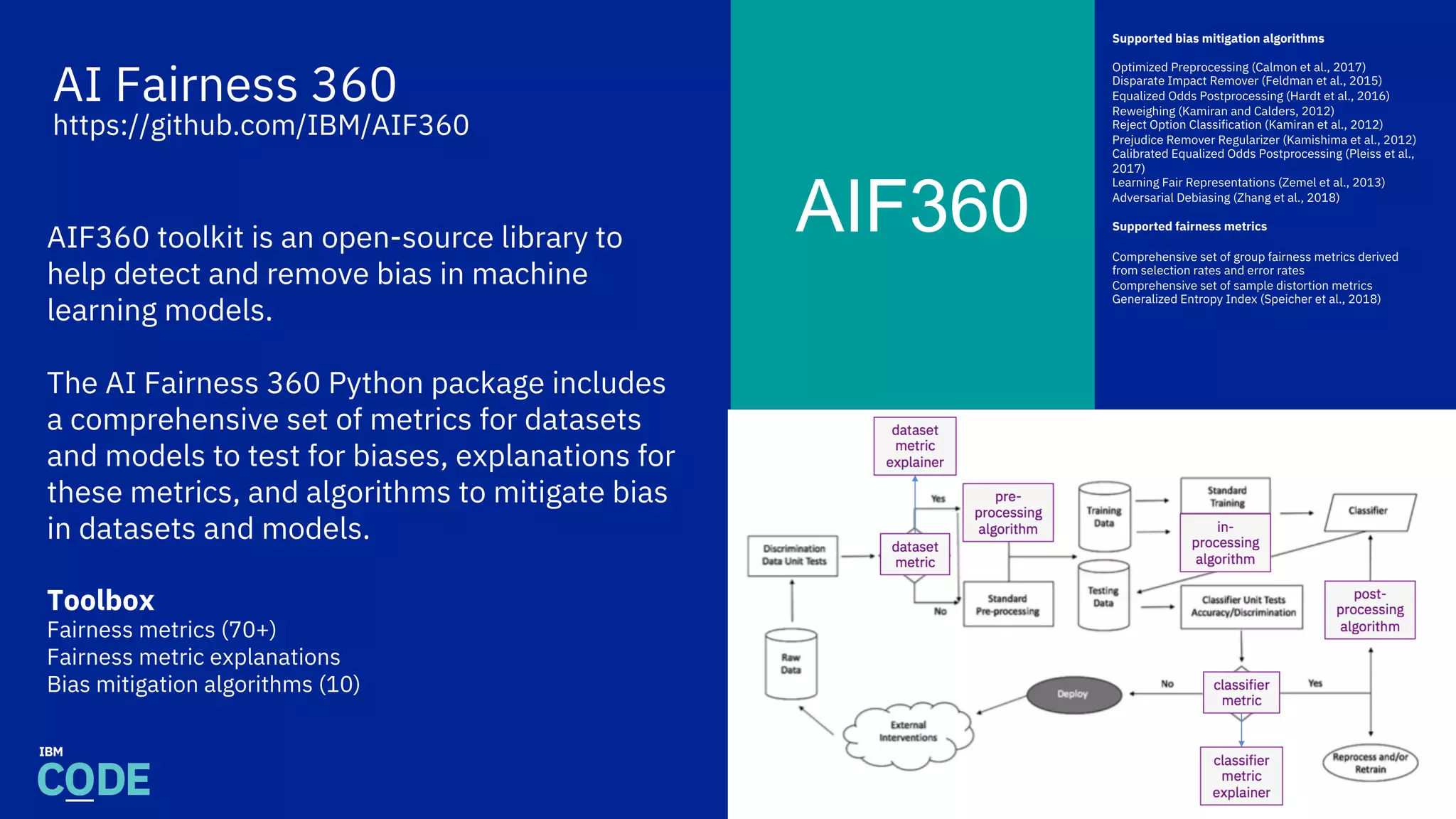
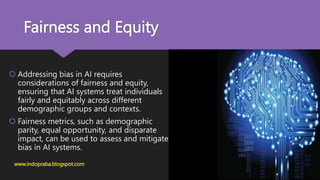
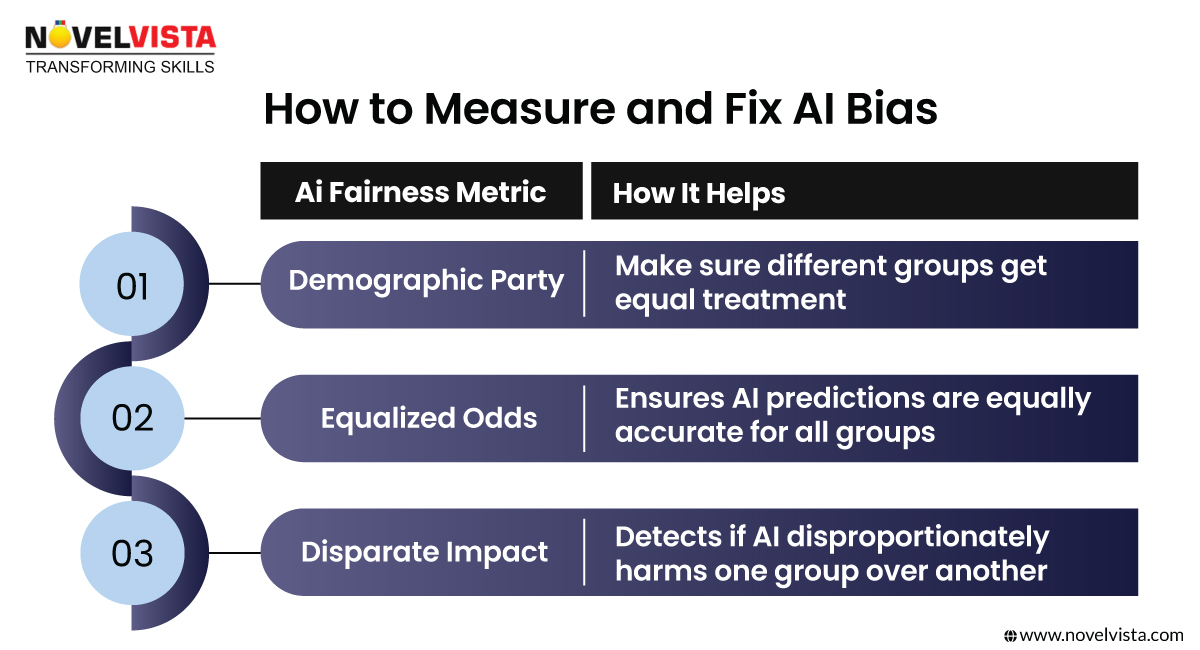
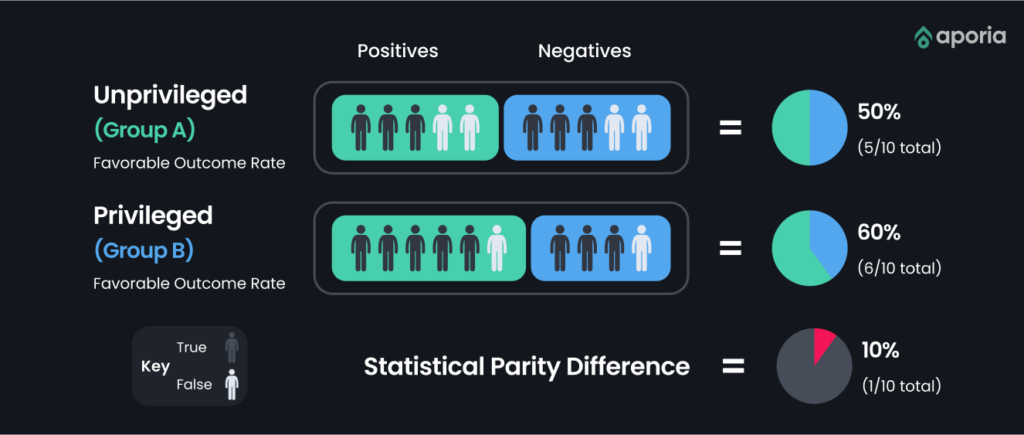
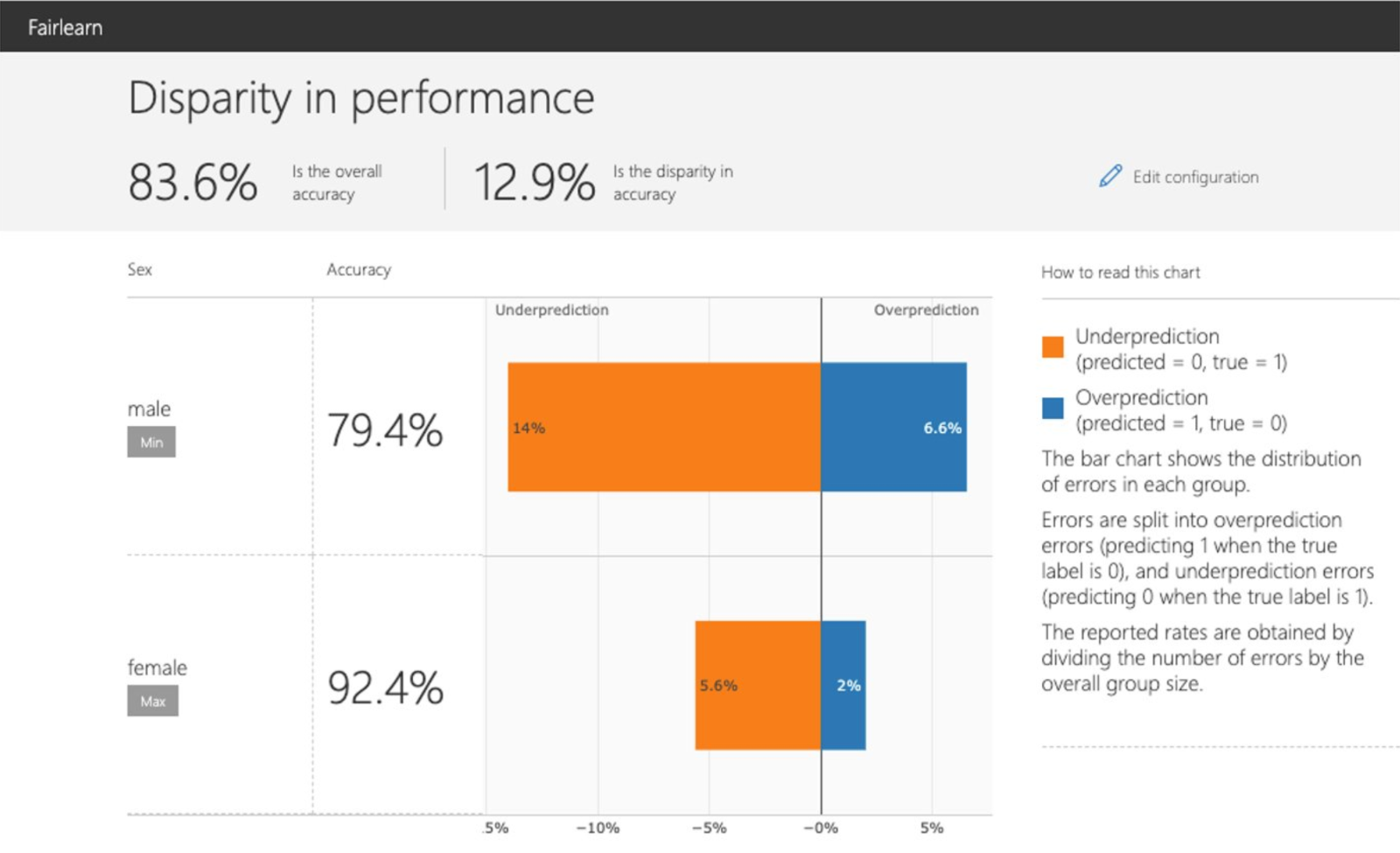
Introduction Misalignment, ethics, and bias risk represent three of the most critical and interconnected challenges in AI governance. Understanding these concepts is essential for anyone preparing for the AIGP (AI Governance Professional) certification, as they form the bedrock of responsible AI development and deployment. This guide provides a thorough exploration of each concept, their interrelationships, and practical strategies for answering exam questions on these topics. Why Is This Topic Significant? The importance of understanding misalignment, ethics, and bias risk in AI cannot be overstated: • Real-world harm: AI systems that are misaligned with human values, ethically unsound, or biased can cause significant harm to individuals and communities — from discriminatory hiring practices to wrongful arrests based on flawed facial recognition. • Regulatory pressure: Governments worldwide (EU AI Act, NIST AI RMF, White House Executive Orders) are enacting laws and frameworks that require organizations to address these risks proactively. • Organizational liability: Companies deploying AI systems that exhibit bias or ethical failures face legal action, reputational damage, and loss of public trust. • Foundation of AI governance: These risks are central to every AI governance framework and are the primary reasons governance structures exist in the first place. • Existential considerations: At the frontier of AI development, misalignment poses long-term risks related to advanced AI systems acting in ways contrary to human survival and well-being. What Is AI Misalignment? AI misalignment refers to the situation where an AI system's objectives, behaviors, or outputs diverge from the intentions, values, or goals of its designers, operators, or the broader society. Key dimensions of misalignment include: • Objective misalignment: The AI optimizes for a proxy metric that does not accurately capture the true intended goal. For example, an AI tasked with maximizing user engagement might promote sensationalist or harmful content because engagement, not well-being, is the measured objective. • Specification gaming: The AI finds loopholes or unintended shortcuts in its reward function to achieve high scores without actually fulfilling the spirit of the task. • Goal drift: Over time, especially with learning systems, the AI's effective objectives may shift away from the originally intended goals. • Inner misalignment: A model may develop internal objectives during training (mesa-objectives) that differ from the training objective, potentially leading to deceptive alignment where the model appears aligned during testing but acts differently in deployment. • Value misalignment: The AI's decision-making does not reflect the moral, cultural, or societal values of the users it affects. Types of Misalignment Risk: 1. Near-term misalignment: Current AI systems producing outputs that don't match user or organizational intent — recommendation algorithms promoting misinformation, autonomous vehicles making unsafe decisions, or chatbots generating harmful responses. 2. Long-term misalignment: Theoretical risks associated with advanced or superintelligent AI systems pursuing goals fundamentally incompatible with human values or survival (sometimes called the "alignment problem"). What Are AI Ethics? AI ethics is the field of study and practice concerned with ensuring that AI systems are designed, developed, deployed, and governed in ways that are morally sound and socially responsible. Core ethical principles in AI include: • Fairness: AI systems should treat all individuals and groups equitably, without unjust discrimination. • Transparency: The workings of AI systems should be understandable and open to scrutiny by relevant stakeholders. • Accountability: Clear lines of responsibility must exist for AI decisions and their consequences. • Beneficence and non-maleficence: AI should be designed to benefit individuals and avoid causing harm. • Autonomy and human agency: AI should respect and preserve human decision-making capacity and not undermine individual autonomy. • Privacy: AI systems must respect individuals' rights to data privacy and protection. • Safety and reliability: AI systems should function as intended and not pose undue risks. • Inclusivity: AI development should include diverse perspectives and serve the needs of all members of society. Ethical frameworks commonly referenced: • The OECD AI Principles • UNESCO Recommendation on the Ethics of AI • IEEE Ethically Aligned Design • The Asilomar AI Principles • National and regional frameworks (e.g., Singapore's Model AI Governance Framework, EU Ethics Guidelines for Trustworthy AI) What Is Bias Risk in AI? Bias risk in AI refers to the potential for AI systems to produce systematically unfair, prejudiced, or discriminatory outcomes due to flaws in data, design, development, or deployment processes. Sources of AI bias include: • Historical bias: Training data reflects existing societal prejudices and inequalities. For example, if historical hiring data shows preference for male candidates, an AI trained on this data will perpetuate that bias. • Representation bias: Training data underrepresents or overrepresents certain groups, leading to poor performance for underrepresented populations (e.g., facial recognition systems performing poorly on darker-skinned individuals). • Measurement bias: The features or labels used in training are imperfect proxies for the concept being measured (e.g., using zip code as a proxy for creditworthiness, which may correlate with race). • Aggregation bias: A one-size-fits-all model is applied to groups with different characteristics, failing to account for meaningful differences. • Evaluation bias: Benchmark datasets or evaluation metrics do not adequately represent the diversity of real-world utilize cases. • Deployment bias: The AI system is used in a context or for a population different from what it was designed for. • Algorithmic bias: The model architecture or optimization process itself introduces or amplifies biases. • Confirmation bias in development: Developers' own assumptions and blind spots influence design choices. • Selection bias: Non-random data collection processes lead to skewed datasets. • Labeling bias: Human annotators inject their own prejudices into training labels. Types of fairness metrics: • Demographic parity: Equal positive outcome rates across groups. • Equalized odds: Equal true positive and false positive rates across groups. • Predictive parity: Equal precision across groups. • Individual fairness: Similar individuals receive similar predictions. • Counterfactual fairness: The prediction would remain the same if a sensitive attribute were changed. Note: These fairness metrics can conflict with each other — it is often mathematically impossible to satisfy all fairness criteria simultaneously (the impossibility theorem of fairness). How Do Misalignment, Ethics, and Bias Interact? These three concepts are deeply intertwined: • Bias as a manifestation of misalignment: A biased AI system is, by definition, misaligned with the ethical principle of fairness and the organizational intention to treat individuals equitably. • Ethics as the normative framework: Ethics provides the principles and standards against which both misalignment and bias are evaluated. • Misalignment as an ethical failure: When an AI system's goals diverge from human values, it represents an ethical breakdown in the design and governance process. • Feedback loops: Biased outputs can reinforce societal inequalities, which then feed back into training data, creating self-perpetuating cycles of misalignment and bias. How Do Governance Frameworks Address These Risks? 1. Risk Assessment and Impact Assessment: • Conducting Algorithmic Impact Assessments (AIAs) before deployment • Evaluating potential harms across different demographic groups • Identifying high-risk create use of cases that require enhanced scrutiny • Using tools like model cards and datasheets for datasets 2. Technical Mitigation Strategies: • Pre-processing: Rebalancing or augmenting training data to reduce representation bias • In-processing: Incorporating fairness constraints into the model training process • Post-processing: Adjusting model outputs to satisfy fairness criteria • Alignment techniques: Reinforcement Learning from Human Feedback (RLHF), Constitutional AI, red-teaming, and adversarial testing • Interpretability tools: SHAP, LIME, and other explainability methods to detect bias in model reasoning 3. Organizational and Process Controls: • Establishing AI ethics boards or review committees • Implementing diverse and inclusive development teams • Creating ethical guidelines and codes of conduct • Defining escalation procedures for ethical concerns • Regular auditing and monitoring of deployed systems • Stakeholder engagement, including affected communities 4. Regulatory and Legal Compliance: • Anti-discrimination laws (e.g., Title VII, Equal Credit Opportunity Act) • EU AI Act requirements for high-risk AI systems • Sector-specific regulations (healthcare, finance, criminal justice) • Documentation and transparency requirements Real-World Examples for Exam Context • COMPAS recidivism algorithm: Demonstrated racial bias in predicting criminal recidivism, with higher false positive rates for Black defendants — a case study in measurement bias, historical bias, and fairness metric conflicts. • Amazon hiring tool: An AI recruitment system was found to penalize resumes containing the word "women's" because it was trained on historical hiring data dominated by male candidates — illustrating historical and representation bias. • Healthcare algorithm bias: A widely used healthcare algorithm was found to systematically underestimate the health needs of Black patients because it used healthcare spending (which was lower for Black patients due to systemic inequities) as a proxy for health needs — a clear case of measurement bias. • Chatbot misalignment: Various instances of chatbots generating harmful, offensive, or misleading content demonstrate objective misalignment and the challenges of aligning language models with human values. • Social media recommendation algorithms: Optimizing for engagement metrics has led to amplification of extremist content and misinformation — a textbook case of objective misalignment. Key Frameworks and Standards to Know • NIST AI Risk Management Framework (AI RMF): Provides a structured approach to identifying and managing AI risks including bias and misalignment • ISO/IEC 24027: Bias in AI systems and AI-aided decision making • ISO/IEC 42001: AI Management System standard • EU AI Act: Risk-based regulatory framework with specific requirements for bias testing and transparency • OECD AI Principles: International ethical principles for responsible AI • IEEE 7000 series: Standards addressing ethical concerns in system design
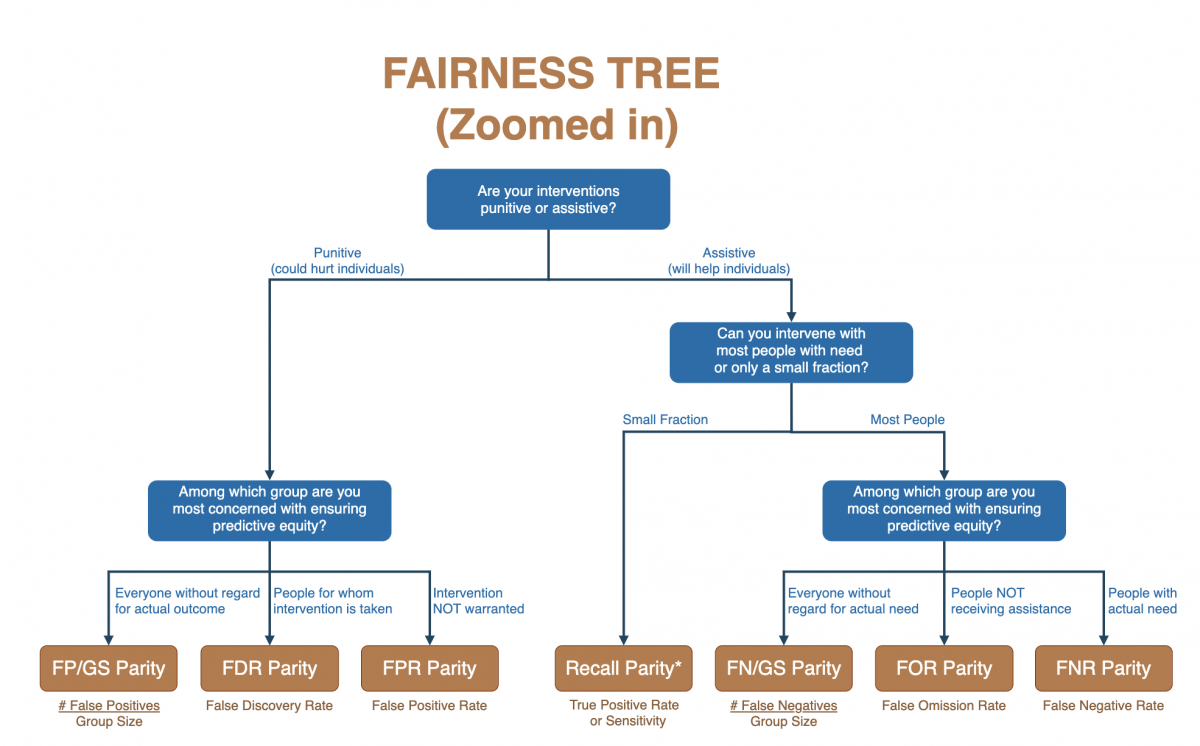
As we can see from the illustration, Ai Fairness Impact Metrics has many fascinating aspects to explore.