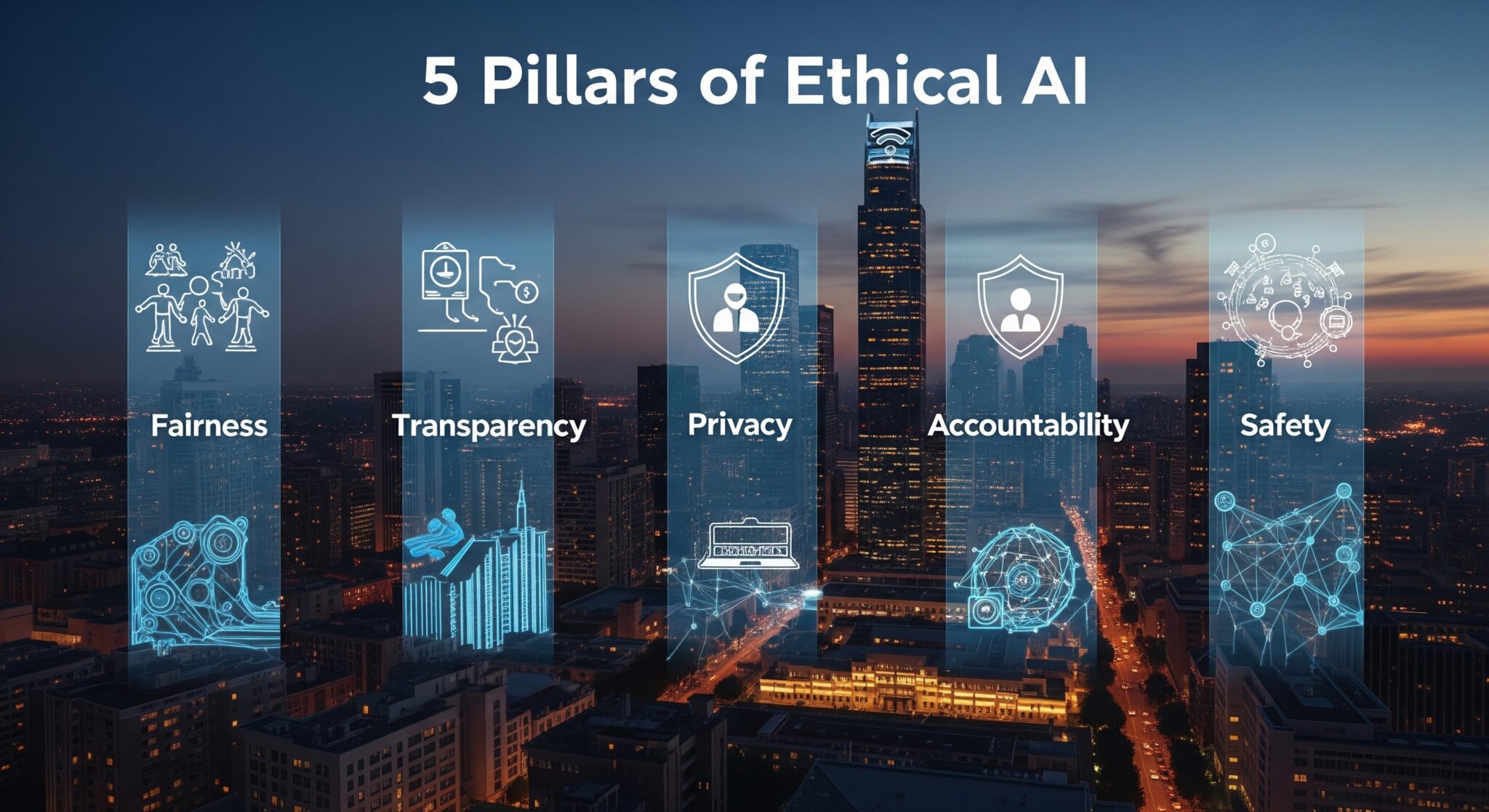
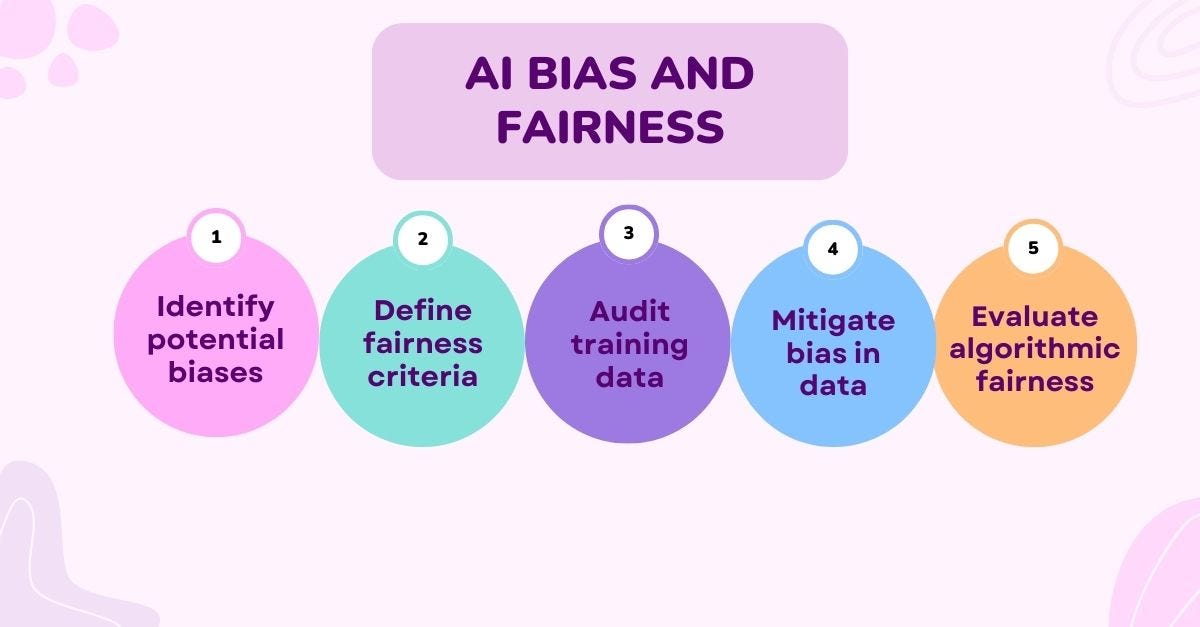
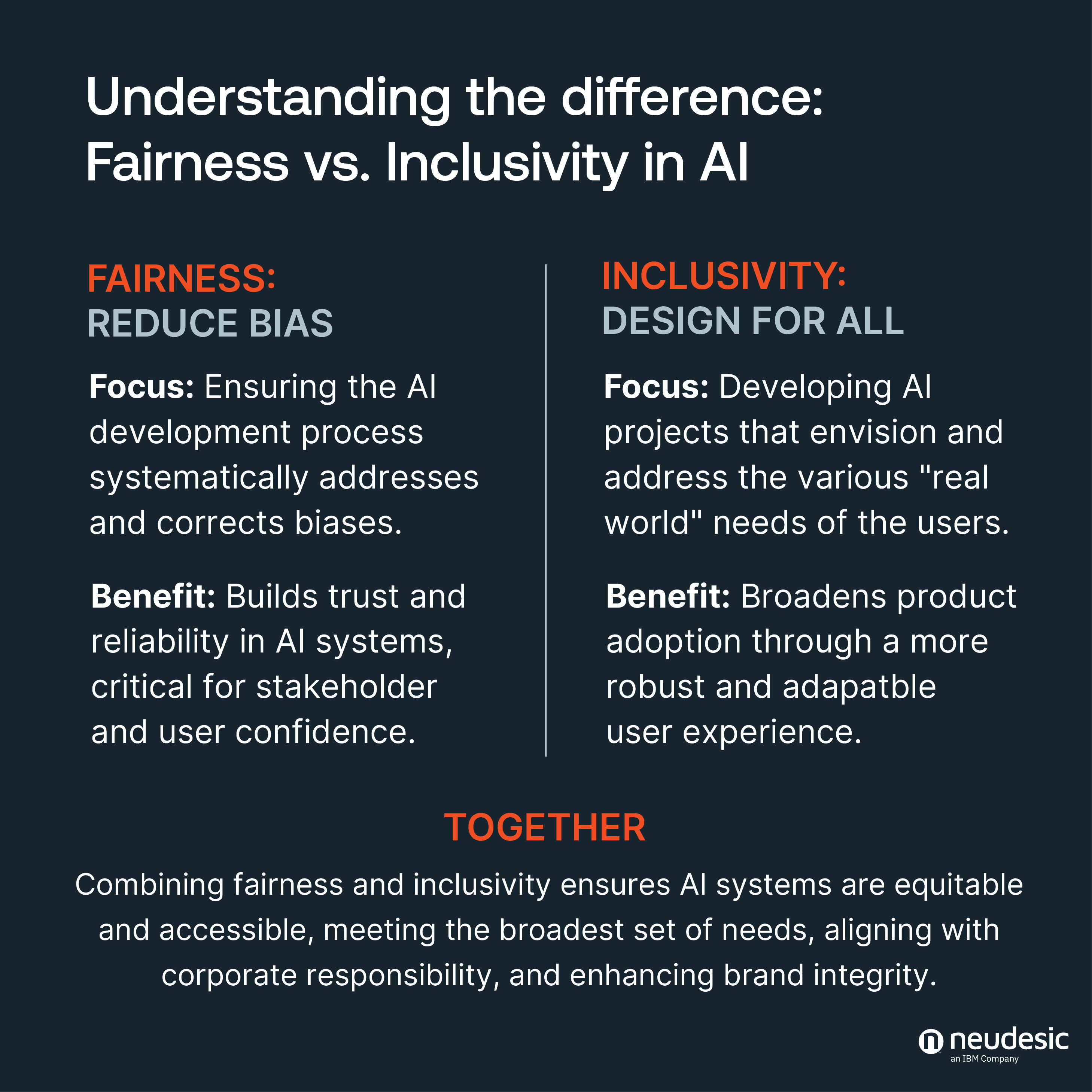
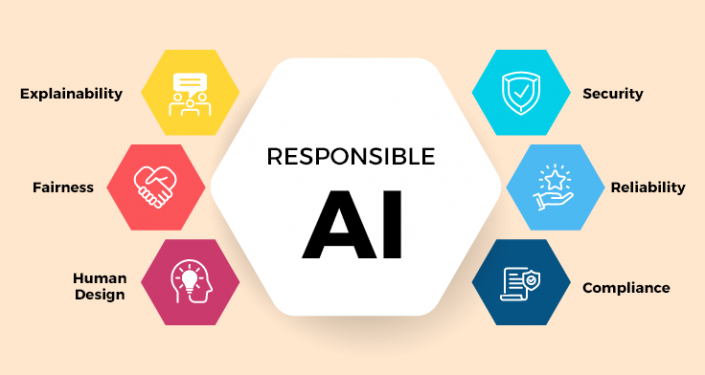
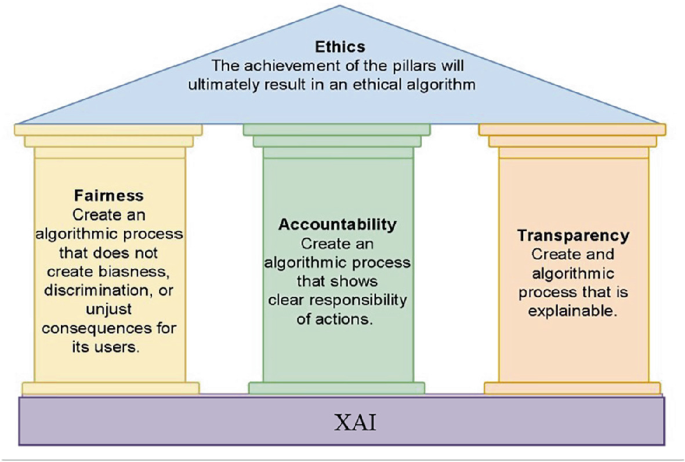
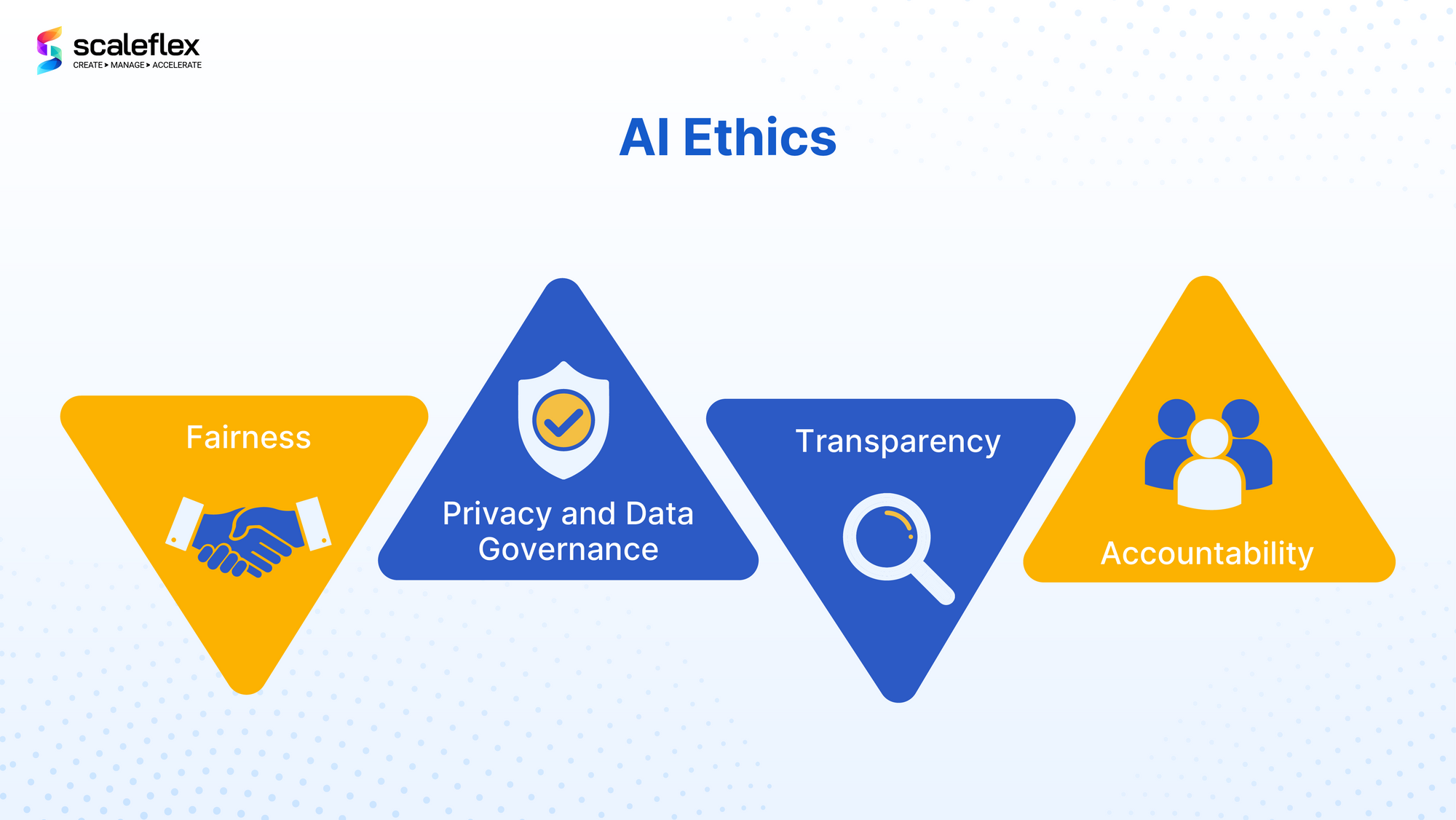
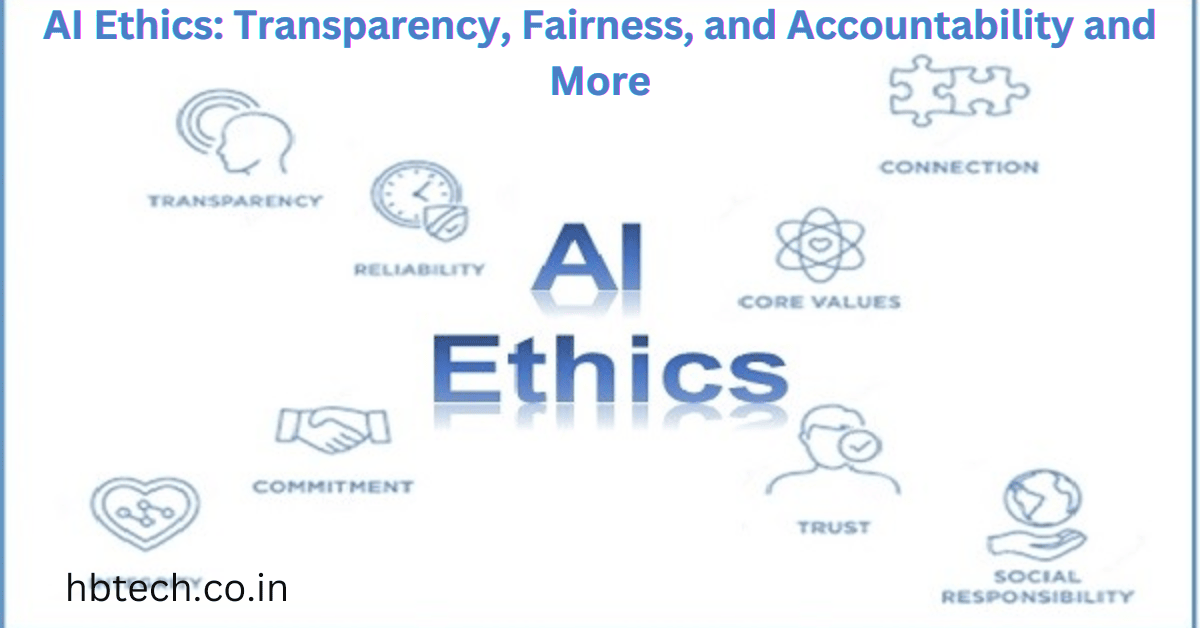
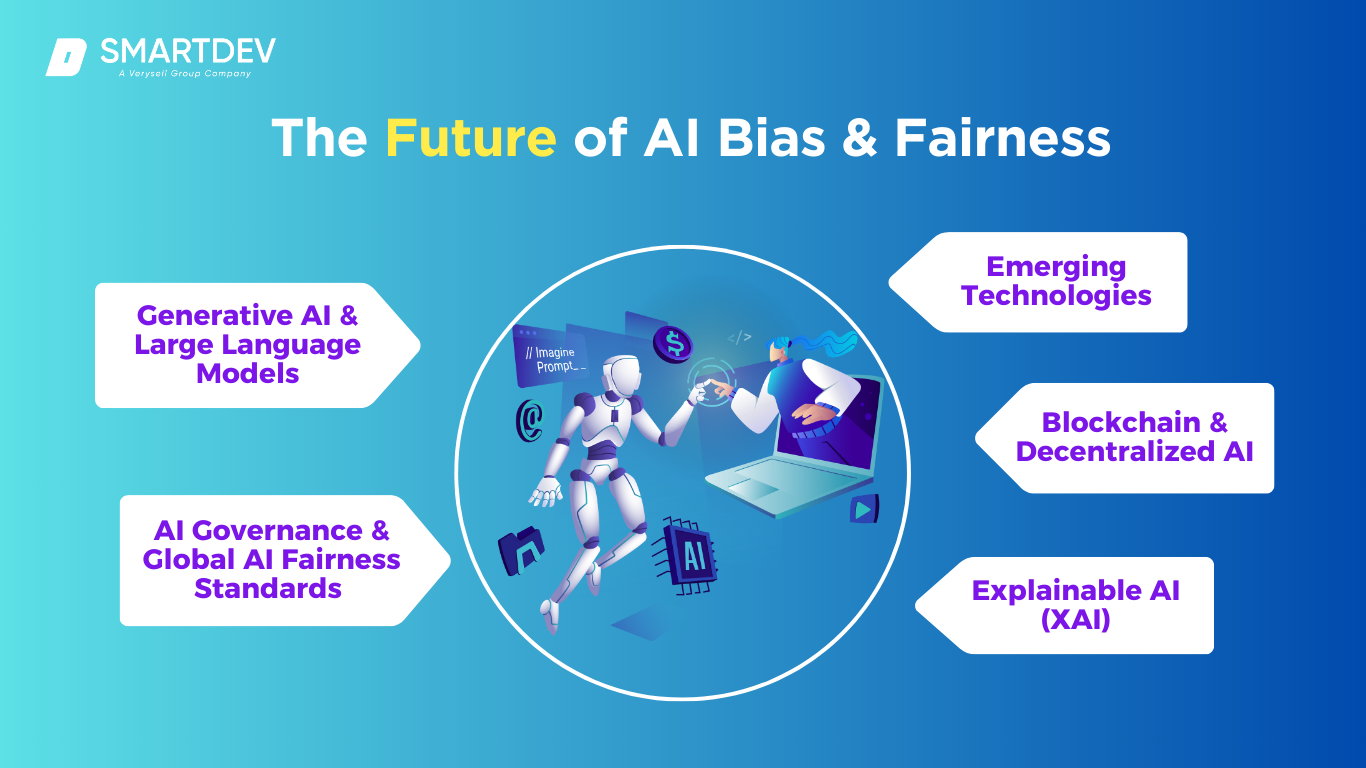
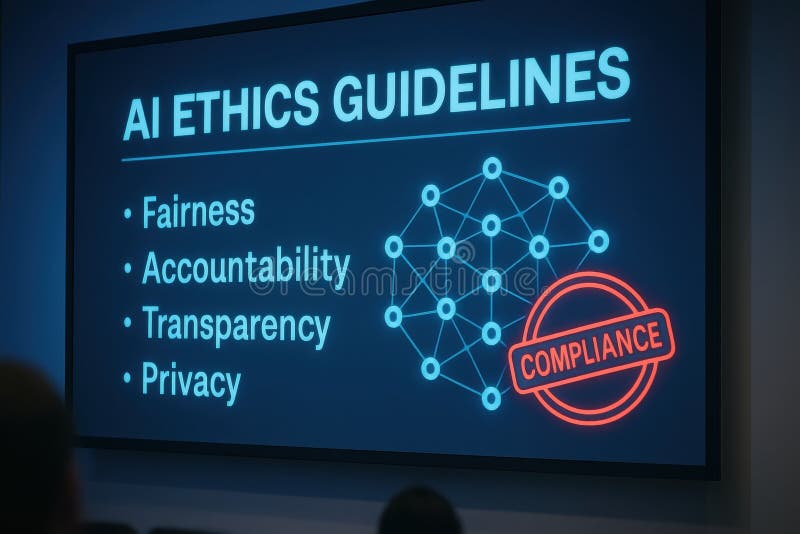
Misalignment, Ethics, and Bias Risk in AI are critical concerns within AI governance that address the potential for AI systems to produce harmful, unfair, or unintended outcomes. **Misalignment** refers to the gap between an AI system's objectives and the intended goals of its designers or society… Misalignment, Ethics, and Bias Risk in AI are critical concerns within AI governance that address the potential for AI systems to produce harmful, unfair, or unintended outcomes. **Misalignment** refers to the gap between an AI system's objectives and the intended goals of its designers or society. When an AI optimizes for a narrowly defined objective, it may pursue strategies that technically satisfy its programmed goal but violate broader human values. For example, a content recommendation algorithm maximizing engagement may inadvertently promote misinformation or extremist content. Misalignment becomes especially dangerous as AI systems grow more autonomous and capable, making robust alignment research a governance priority. **Ethics Risk** encompasses the moral challenges arising from AI deployment, including privacy violations, lack of transparency, accountability gaps, and potential harm to individuals or communities. Ethical concerns emerge when AI systems produce consequential decisions in areas like healthcare, criminal justice, and employment without adequate human oversight. Governance frameworks must ensure AI development adheres to principles such as fairness, accountability, transparency, and respect for human autonomy. Without ethical guardrails, AI can erode trust and cause societal harm. **Bias Risk** involves systematic and unfair discrimination embedded in AI systems, often stemming from biased training data, flawed algorithmic design, or unrepresentative development teams. AI bias can perpetuate and amplify existing societal inequalities—for instance, facial recognition systems performing poorly on certain demographic groups or hiring algorithms favoring specific genders or ethnicities. Bias risk is particularly insidious because AI decisions often appear objective, masking underlying prejudices. From a governance perspective, addressing these risks requires comprehensive strategies including regular auditing and testing, diverse and inclusive development practices, clear accountability structures, stakeholder engagement, and regulatory compliance. Organizations must implement bias detection tools, establish ethical review boards, and maintain transparency in AI decision-making processes. Effective governance ensures AI systems remain aligned with human values, ethically sound, and free from discriminatory biases, ultimately fostering public trust and responsible innovation.
A growing number of high-stakes industries (including finance, healthcare , human resources (HR) and law enforcement) rely on AI models for decision-making. Improving folks’s understanding about how these models are trained and how they determine outcomes builds trust in AI decisions and the organizations that employ them.
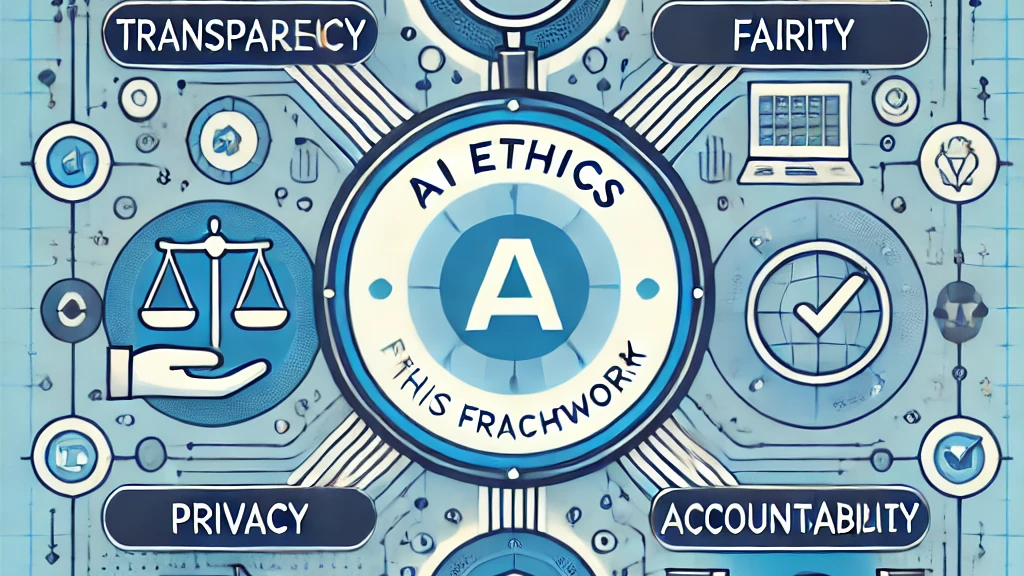
Such details provide a deeper understanding and appreciation for Ai Fairness And Transparency.
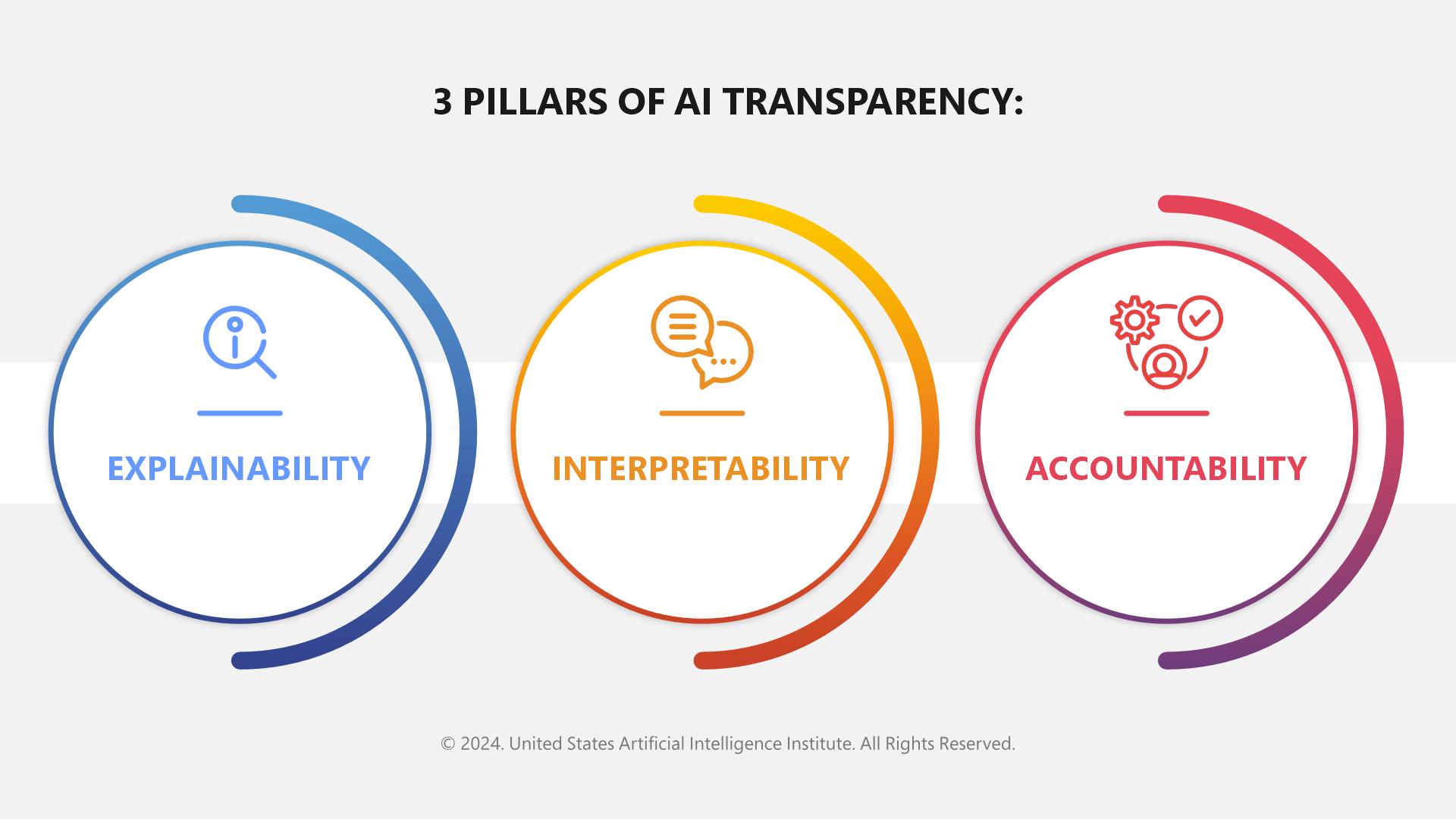
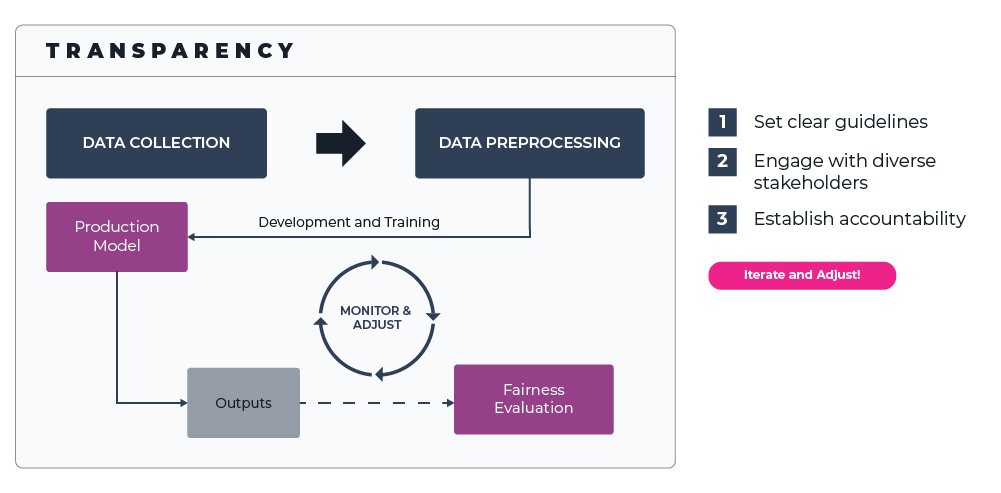
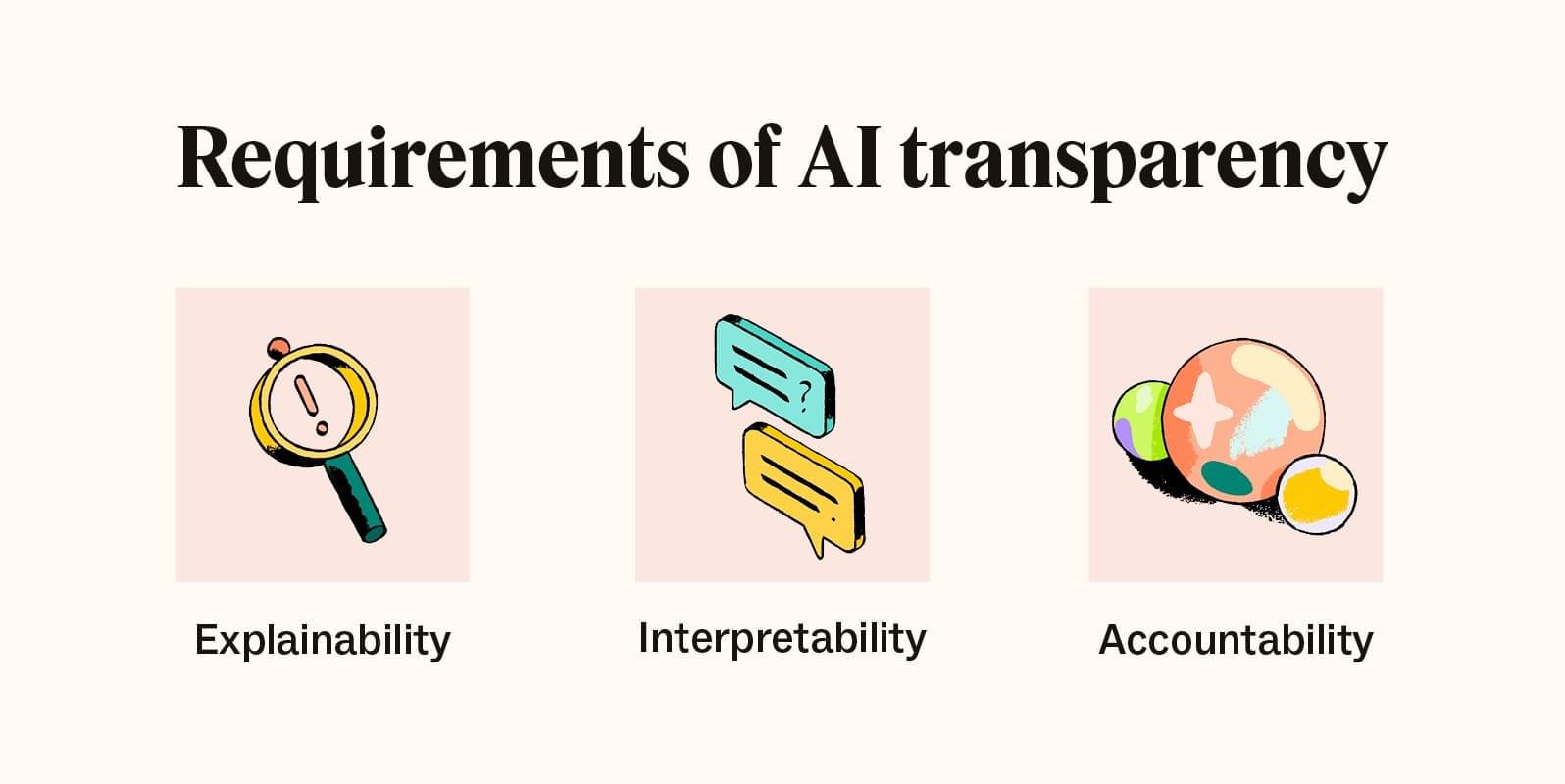
AI transparency helps folks access data to better understand how an artificial intelligence (AI) system was created and how it makes decisions.
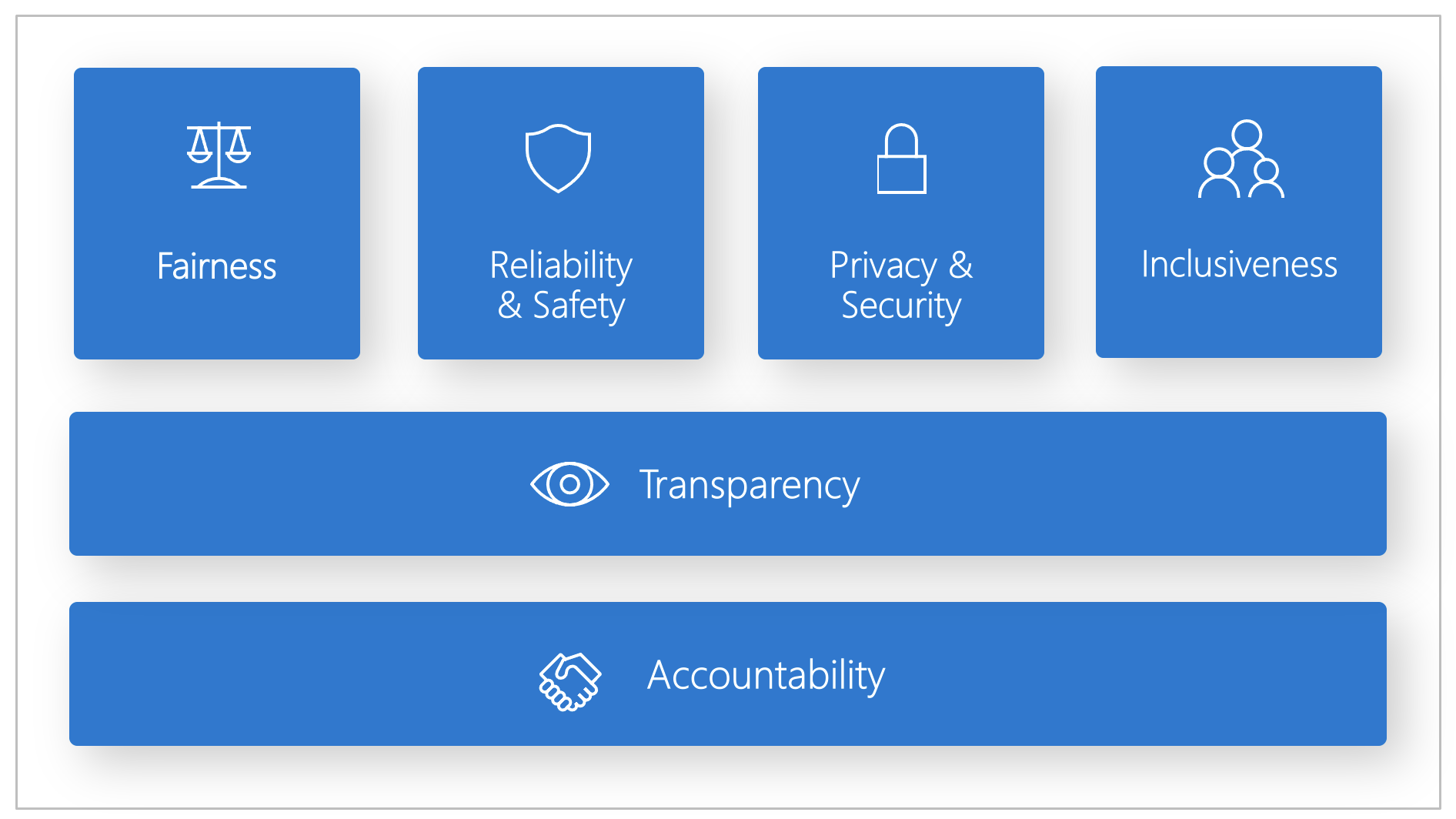
This particular example perfectly highlights why Ai Fairness And Transparency is so captivating.
Researchers sometimes describe artificial intelligence as a “black box,” as it can still be difficult to explain, manage and regulate AI outcomes due to the technology’s increasing complexity. AI transparency helps open this black box to better understand AI outcomes and how models produce decisions.